25 Beautiful Flower Garden Ideas to Create a Colorful and Dreamy Outdoor Space
A beautiful flower garden can turn an ordinary backyard into a colorful, peaceful retreat that feels like a little piece of paradise. Whether you have a spacious backyard, a small front yard, or just a sunny corner beside your porch, there are so many creative ways to fill your outdoor space with beautiful blooms. From charming cottage-style flower beds and romantic rose gardens to colorful container displays and winding garden paths, the right combination of flowers can make a remarkable difference. You don’t need a professional landscape designer or a huge budget to create something special. A few thoughtfully chosen flowers, attractive planters, and well-planned arrangements can bring your garden to life. If you’re looking for inspiration, these 25 beautiful flower garden ideas will help you create an outdoor space filled with color, texture, fragrance, and natural charm.
Create a Romantic Cottage-Style Flower Garden
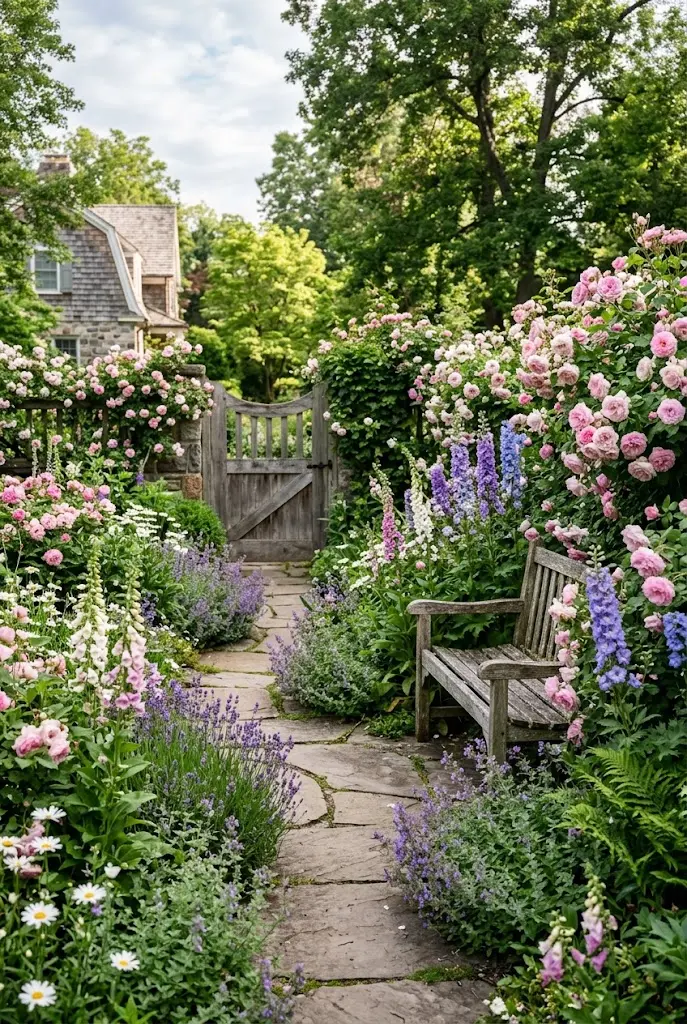
A cottage-style flower garden is perfect if you love a relaxed, romantic outdoor atmosphere. Imagine colorful roses climbing around a wooden fence, delicate daisies swaying in the breeze, and tall flowering plants creating a beautiful layered effect. This garden style feels natural rather than perfectly arranged, which is part of its charm.
Mix flowers with different heights, shapes, and blooming seasons to create a garden that looks full and interesting. Some lovely choices include:
- English roses for soft, romantic color.
- Delphiniums for beautiful vertical height.
- Foxgloves for an old-fashioned cottage appearance.
- Shasta daisies for cheerful white blooms.
- Lavender for fragrance and silvery-green foliage.
Allow some flowers to grow naturally around one another instead of keeping every plant in a perfectly straight row. A narrow stone pathway, an old wooden bench, or a rustic garden gate can make the space feel even more inviting.
Tip: Choose a combination of perennials and annuals so your cottage garden has returning flowers as well as fresh seasonal color.
Design a Colorful Flower Border Along Your Fence
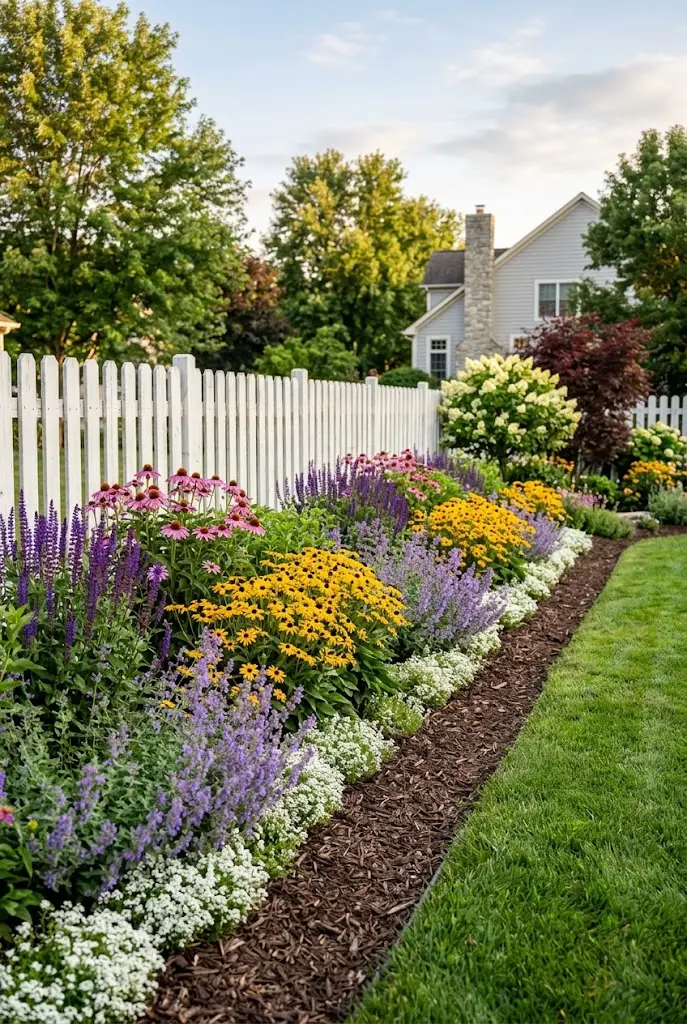
A plain backyard fence can become one of the prettiest features of your outdoor space when you decorate it with a colorful flower border. Instead of leaving the area empty, plant a mixture of flowers along its base to create a beautiful frame around your garden.
For a balanced appearance, place taller flowers near the fence and shorter varieties toward the front. This arrangement allows every plant to remain visible while creating a full, layered display.
Consider combining:
- Purple salvia for upright flower spikes.
- Yellow black-eyed Susans for cheerful color.
- Pink coneflowers for a soft garden look.
- White alyssum for a delicate border.
- Blue or purple catmint for spreading color.
A white picket fence looks especially beautiful with pink, purple, and white flowers, while a natural wooden fence pairs nicely with warm yellow, orange, and red blooms.
You can also add mulch around the plants to create a neat finish and help retain soil moisture. Make sure the flower varieties you choose receive the amount of sunlight available along your fence.
Try this: Repeat two or three flower colors along the entire border to make the garden look coordinated rather than overly busy.
Add a Beautiful Rose Garden for Timeless Charm
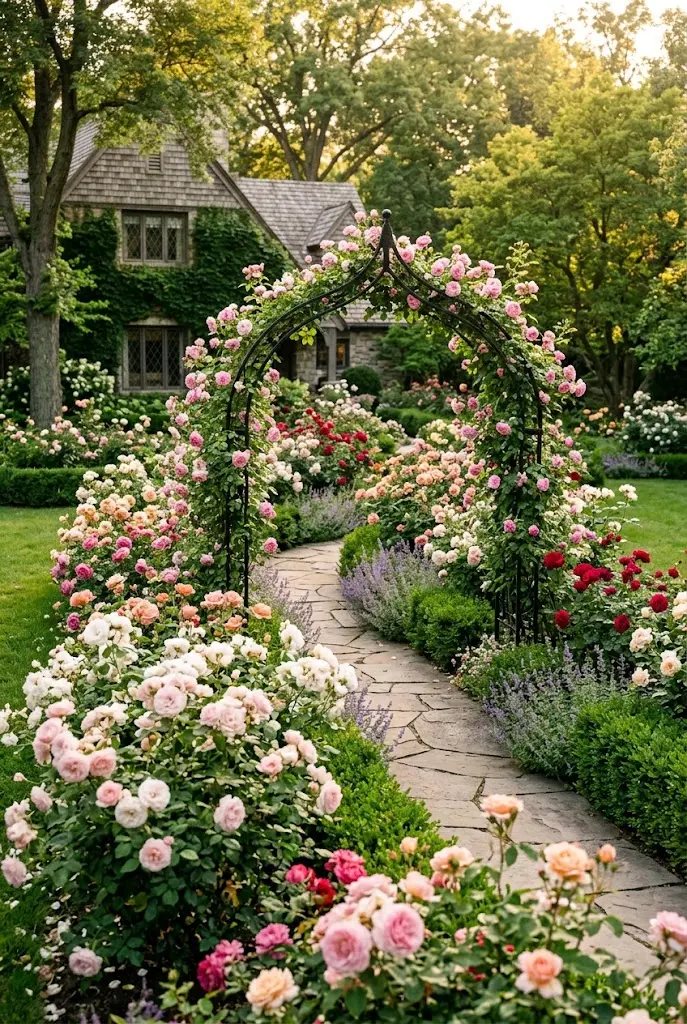
Roses have a special way of making any outdoor space feel elegant and romantic. Whether you prefer soft pink blooms, classic red roses, creamy white varieties, or warm peach shades, a dedicated rose garden can become a stunning focal point in your backyard.
You don’t need dozens of rose bushes to achieve this look. Even a small collection arranged along a pathway or around a garden seating area can create a beautiful display.
For a visually interesting arrangement, combine different rose varieties:
- Climbing roses along an arch or trellis.
- Floribunda roses for clusters of colorful blooms.
- Shrub roses for fuller garden borders.
- Miniature roses for smaller spaces and containers.
Keep the surrounding plants relatively simple so the roses remain the main attraction. Lavender, catmint, and low-growing white flowers can complement the colorful petals without overwhelming the display.
Remember that most roses need several hours of direct sunlight, good air circulation, and well-draining soil. Regular pruning and watering will also help keep the plants healthy.
Tip: Choose roses with different flowering periods or repeat-blooming varieties to enjoy their beauty throughout more of the growing season.
Build a Charming Flower Garden Around a Garden Path
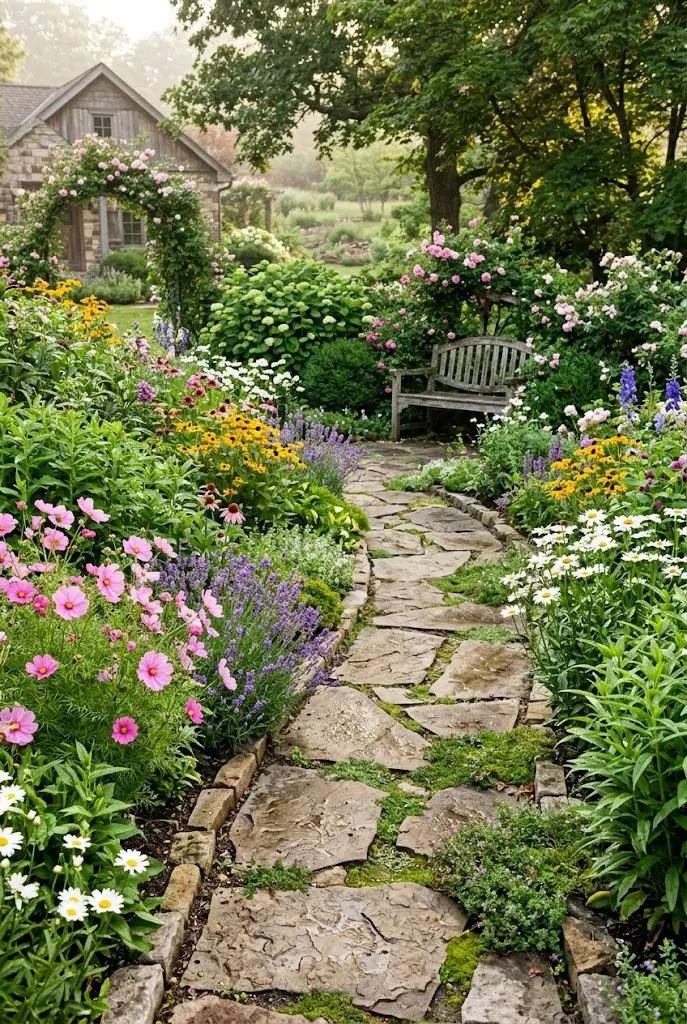
A winding garden path adds a little magic to an outdoor space. Instead of walking directly across an open lawn, imagine following a charming stone pathway surrounded by colorful flowers, soft greenery, and fragrant plants.
This design works beautifully in both large and medium-sized backyards. The pathway naturally draws attention through the garden and creates a sense of depth, making even a relatively simple landscape feel thoughtfully designed.
For the pathway, consider using:
- Natural flagstone for a rustic appearance.
- Gravel for an affordable, relaxed garden style.
- Brick pavers for a traditional cottage look.
- Stepping stones surrounded by low-growing ground cover.
Plant flowers along both sides, but leave enough room for comfortable walking. Lavender, creeping thyme, daisies, and compact flowering perennials can soften the edges without covering the path.
You can also place small solar garden lights along the walkway to make the space feel welcoming after sunset.
Try this: Let the pathway curve gently instead of following a straight line. The softer shape creates a more natural and inviting garden atmosphere.
Plant a Colorful Flower Garden in Raised Beds
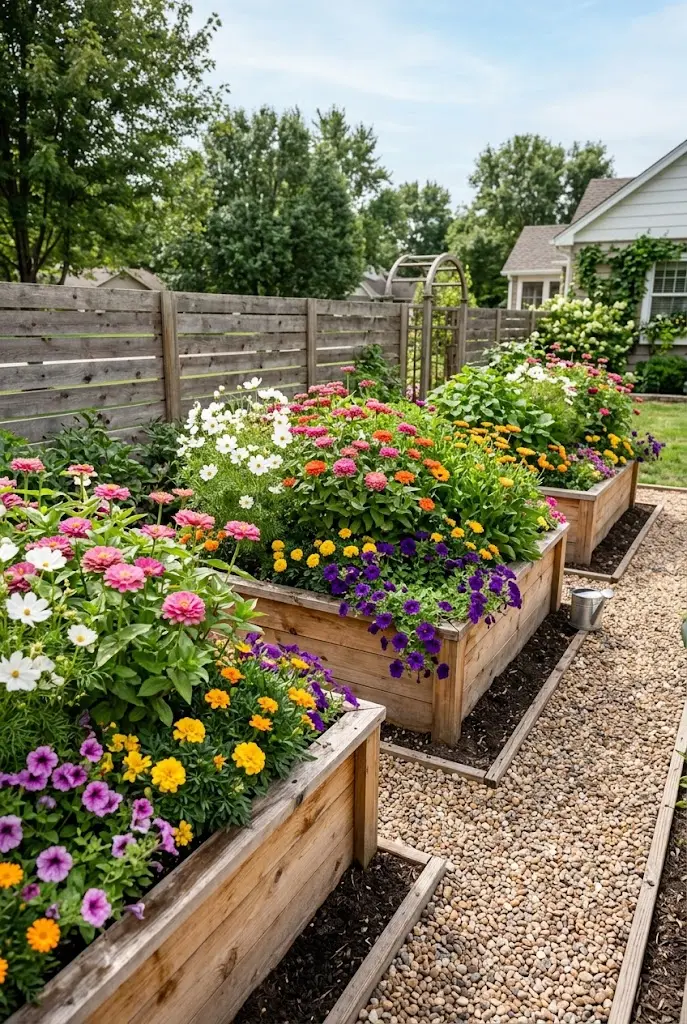
Raised garden beds are a wonderful option if you want an organized flower garden without digging directly into your existing lawn. They create defined planting areas, make it easier to arrange different flower varieties, and can add an attractive architectural feature to your backyard.
Natural cedar or weathered wood gives the garden a warm farmhouse feel. For a more modern look, consider simple dark-colored metal raised beds with clean edges.
You can fill each bed with a different combination of flowers or create a coordinated color theme throughout the space.
Some beautiful planting combinations include:
- Pink zinnias and white cosmos.
- Purple petunias and blue lobelia.
- Yellow marigolds and orange calendula.
- Lavender and soft pink dianthus.
Use quality planting soil and make sure the beds have proper drainage. Check the mature height and spread of each flower before planting to avoid overcrowding.
One advantage of raised beds is that you can experiment with seasonal displays. Replace fading spring flowers with summer annuals and introduce fall-friendly blooms as the weather changes.
Tip: Arrange raised beds with enough space between them for watering, pruning, and harvesting spent flowers.
Create a Dreamy Lavender Flower Garden
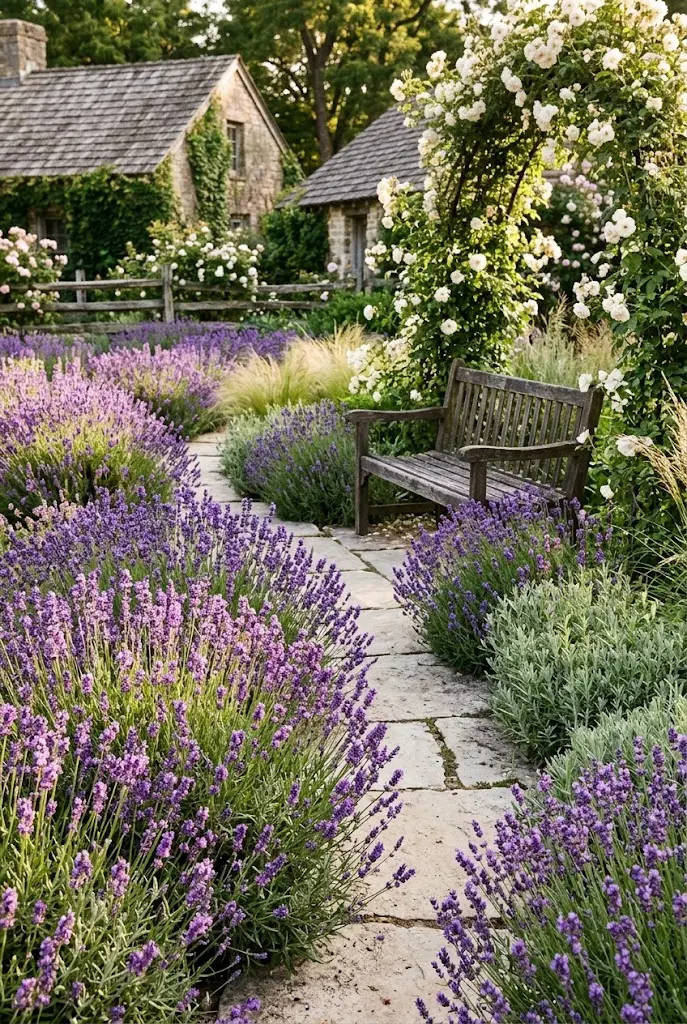
A lavender garden can make your outdoor space feel like a peaceful countryside retreat. Its soft purple flowers, silvery-green foliage, and naturally calming fragrance create an atmosphere that is both beautiful and relaxing.
You can plant lavender in neat rows for a classic garden appearance or arrange it in informal clusters along a pathway. Either way, the purple blooms look particularly attractive when surrounded by natural stone, gravel, or warm wooden garden features.
English lavender is a popular choice for many temperate American gardens, although the right variety depends on your climate.
To complete the look, consider adding:
- Pale stone edging around the planting beds.
- White roses for a romantic contrast.
- Ornamental grasses for movement and texture.
- A rustic wooden bench for a quiet seating area.
Lavender generally prefers full sun and well-draining soil. Avoid keeping its roots constantly wet, as overly moist conditions can cause problems.
Tip: If you live in a region with humid summers or cold winters, check which lavender varieties are suitable for your local growing zone.
Design a Beautiful Wildflower Garden
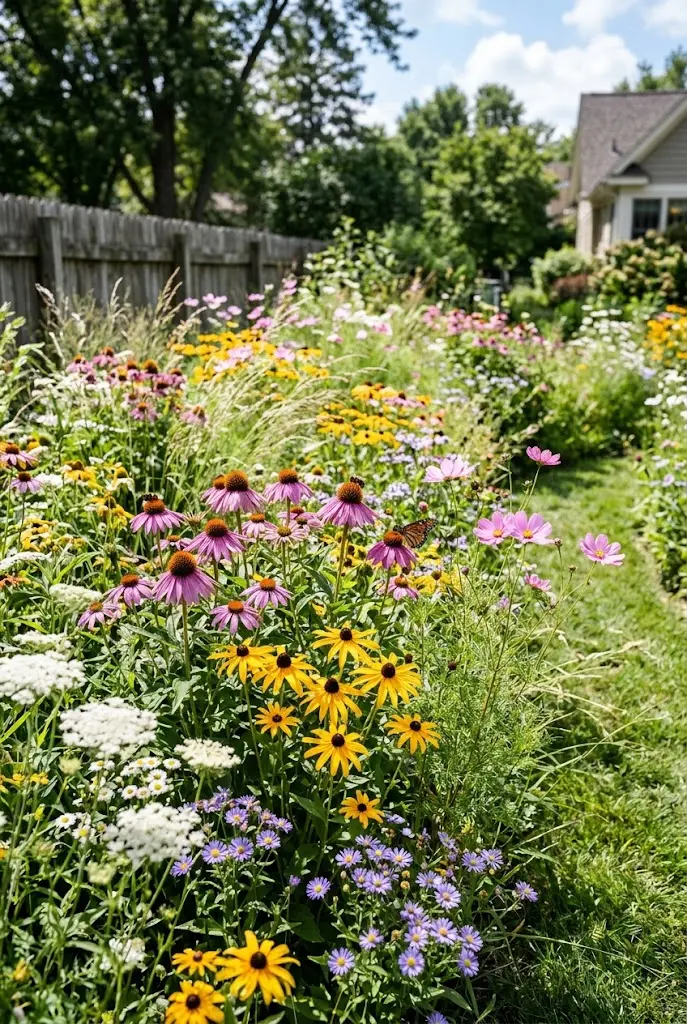
If you love gardens that feel natural and full of life, a wildflower garden might be exactly what you’re looking for. Instead of arranging every flower in straight lines, this style celebrates a more relaxed landscape with colorful blooms growing together in beautiful, informal groups.
A wildflower garden can be especially attractive in a sunny backyard corner where traditional landscaping might feel too formal. Mix native flowers suitable for your region to create a colorful display that also provides food and habitat for pollinators.
Consider planting:
- Purple coneflowers.
- Black-eyed Susans.
- Native asters.
- Coreopsis.
- Bee balm.
- Regional native milkweed species where appropriate.
Choose a wildflower seed mix designed for your state or region rather than relying on generic mixes that may contain unsuitable species.
Allow different flowers to bloom at different times so your garden has changing colors throughout the growing season. Leave some seed heads standing into fall to provide visual interest and food for birds.
Try this: Keep a narrow mowed edge around your wildflower patch. This makes the natural planting look intentional and beautifully maintained.
Add a Colorful Flower Garden Around Your Front Porch
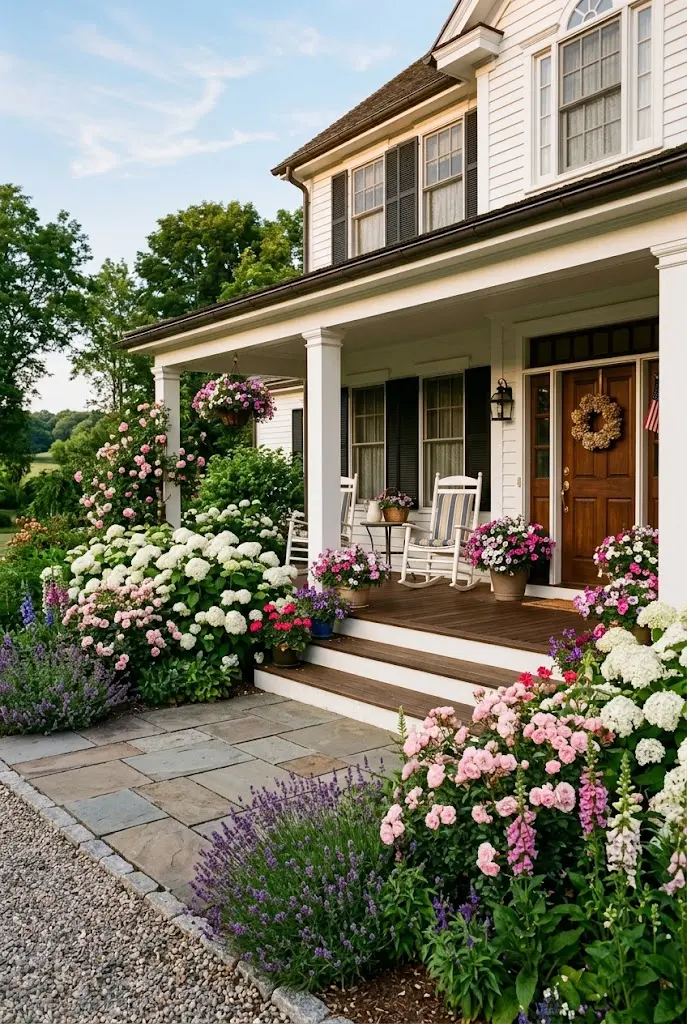
Your front porch is one of the first things visitors notice, so surrounding it with beautiful flowers is a lovely way to make your home feel welcoming. A combination of flowering beds, decorative planters, and climbing plants can turn a simple entrance into a charming outdoor feature.
For a classic American farmhouse appearance, start with white hydrangeas, pink roses, and soft purple flowers. Add a few larger planters near the steps to create height and frame the entrance.
A beautiful porch garden might include:
- Hydrangeas along the foundation.
- Pink or white roses near the steps.
- Lavender beside the walkway.
- Seasonal petunias in porch containers.
- Climbing clematis around a suitable trellis.
Pay attention to the amount of sunlight your porch receives. Some entrances are shaded by roof overhangs, while others receive several hours of direct afternoon sun.
Keep the walkway clear and avoid planting flowers so close to the house that they block windows or interfere with maintenance.
Tip: Matching planters on either side of the front door can make the entire entrance look more polished.
Grow a Beautiful Vertical Flower Garden
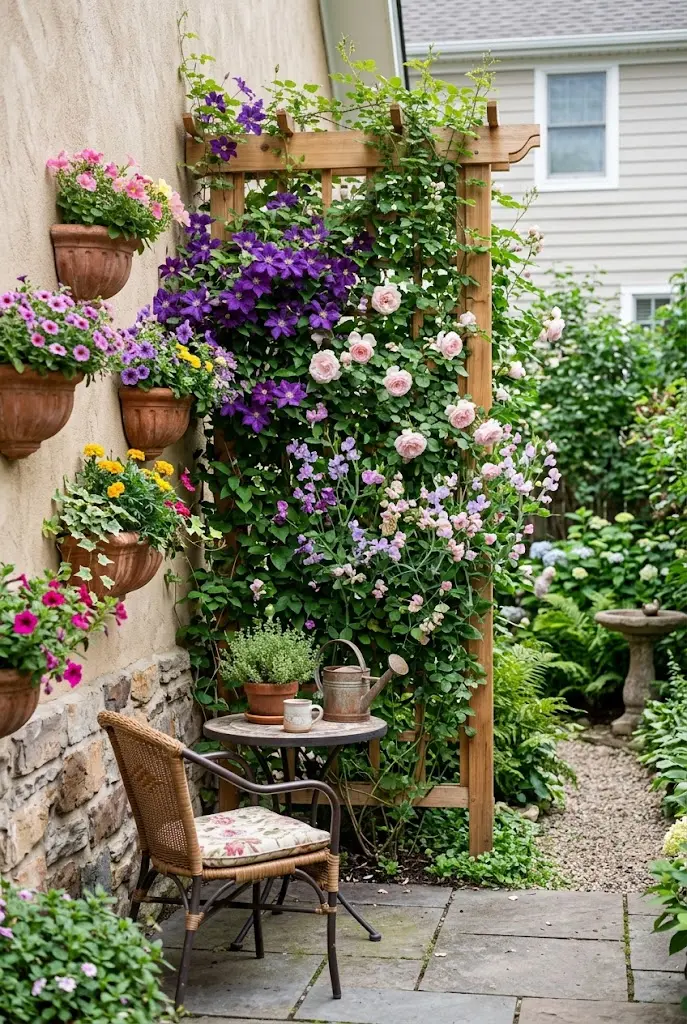
Not every home has enough outdoor space for large flower beds. That’s where vertical gardening becomes especially useful. By growing flowers upward instead of outward, you can bring beautiful colors into a small backyard, patio, or narrow side yard.
A wooden trellis, wall-mounted planter system, or sturdy garden arch can provide support for flowering vines and climbing plants.
Some attractive choices include:
- Clematis for colorful climbing blooms.
- Climbing roses for a romantic garden appearance.
- Nasturtiums for cheerful flowers and trailing growth.
- Sweet peas for delicate flowers and fragrance.
- Morning glories for dramatic climbing displays.
Make sure your support structure is strong enough for mature plants, particularly climbing roses and vigorous vines. Position it where the flowers receive suitable sunlight and where you can easily water them.
You can also attach small planters to a vertical wooden structure to create multiple layers of color.
Try this: Use a combination of climbing flowers and trailing greenery to create a lush living wall without taking up much ground space.
Create a Beautiful Flower Garden With Hydrangeas
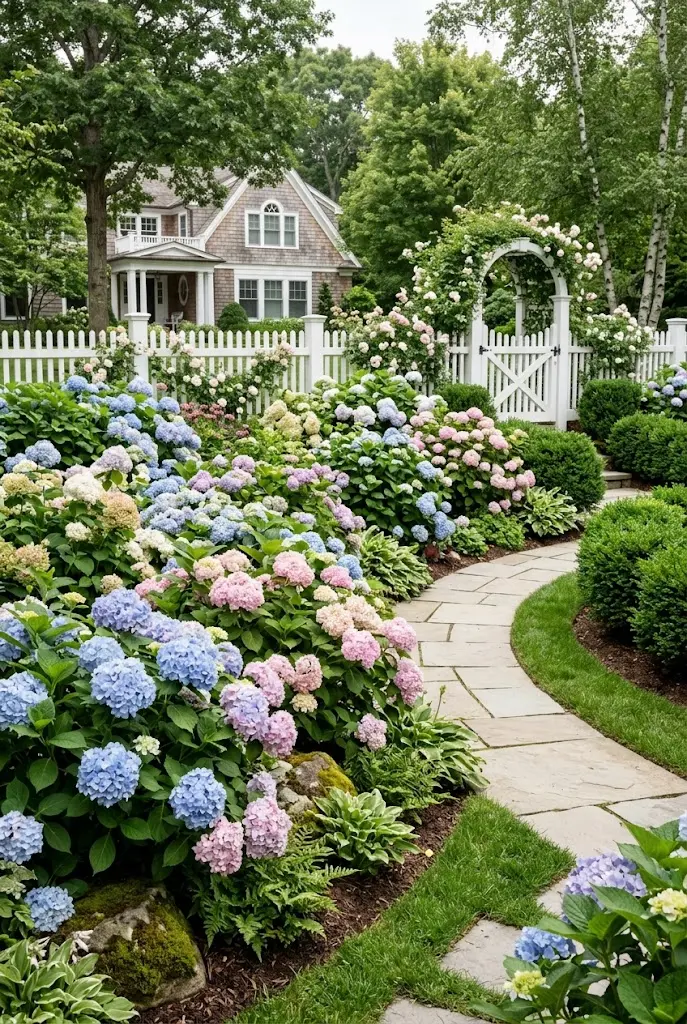
Hydrangeas are loved for their large, rounded flower clusters and soft, romantic appearance. They can instantly make a garden feel fuller, especially when planted in groups along a walkway, beneath trees with suitable light, or beside a porch.
One of the most attractive ways to use hydrangeas is to create a layered garden with different colors and complementary greenery.
Popular color choices include:
- Soft blue hydrangeas for a cool, peaceful look.
- Blush pink varieties for a romantic garden.
- White hydrangeas for an elegant, classic display.
- Purple varieties for a rich and colorful effect.
Some hydrangea varieties can change flower color depending on soil conditions, particularly certain bigleaf hydrangeas. However, not all varieties behave the same way, so check the plant label before choosing one.
Hydrangeas generally appreciate consistent moisture, although their sunlight requirements vary by type and climate.
Planting several hydrangeas together can create a dramatic display without needing dozens of different flowers.
Tip: Combine hydrangeas with hostas, ferns, or other shade-tolerant plants if you’re designing a garden in an area with limited direct sunlight.
Make a Colorful Flower Garden With Petunias
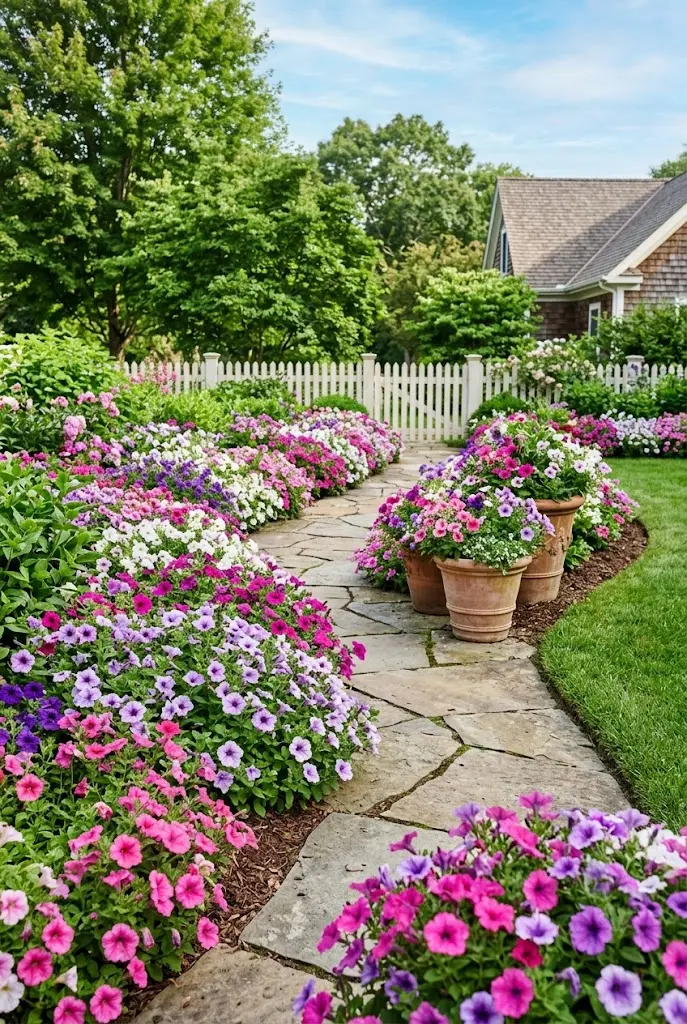
Petunias are a wonderful choice when you want a flower garden that looks full, bright, and cheerful throughout the warmer months. Their trumpet-shaped blooms come in an incredible range of colors, making it easy to create anything from a soft pastel garden to a bold, colorful outdoor display.
You can plant petunias directly in garden beds, along pathways, or in containers placed around your patio. Their trailing varieties are particularly beautiful when allowed to spill over the edges of raised beds and decorative planters.
For a coordinated display, try these combinations:
- Pink and white petunias for a romantic appearance.
- Purple and lavender varieties for a calming color palette.
- Red and white petunias for a classic seasonal display.
- Deep purple and bright pink for a dramatic contrast.
Petunias generally prefer sunny locations and well-draining soil. Regular watering and occasional feeding can encourage healthy growth and abundant flowers.
Remove faded blooms when needed and trim leggy stems to help maintain a fuller appearance. This simple maintenance can make a noticeable difference during the growing season.
Try this: Plant petunias in repeating color combinations along a garden walkway to create a beautiful, continuous flower border.
Design a Flower Garden With a Wooden Arbor
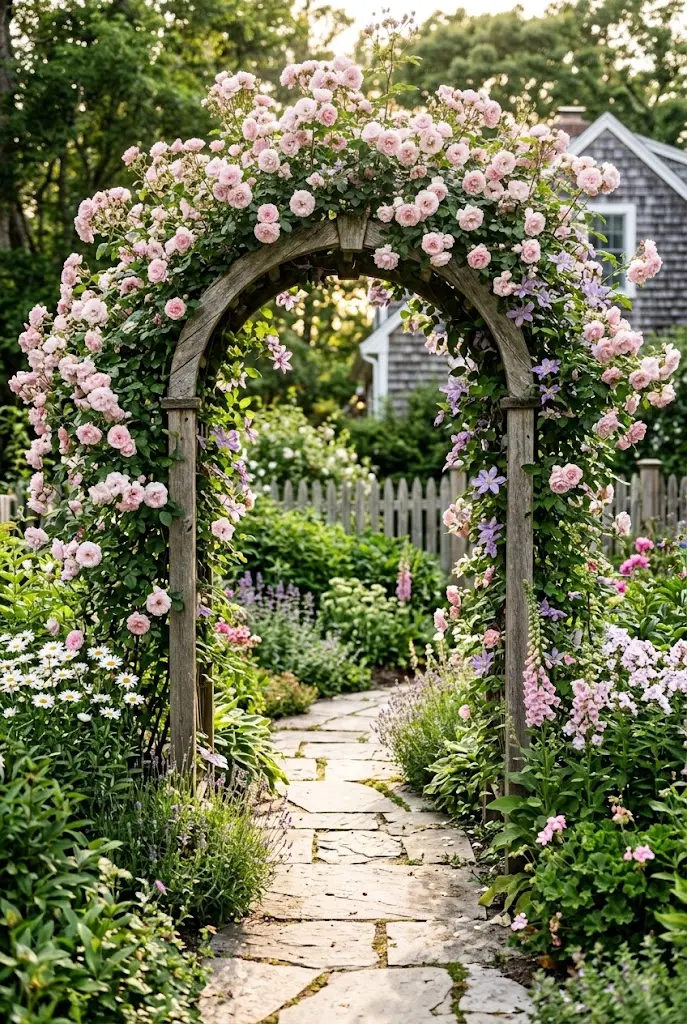
A wooden arbor can turn an ordinary garden entrance into something truly special. Covered with climbing flowers, it creates a beautiful focal point and gives your outdoor space the feeling of a hidden garden retreat.
Imagine walking underneath a natural wooden arch covered in pink roses, purple clematis, or fragrant flowering vines. On either side, colorful flower beds create a welcoming entrance that makes the garden feel like a destination.
For a beautiful arbor display, consider:
- Climbing roses for romantic, abundant blooms.
- Clematis for colorful flowers and delicate vines.
- Honeysuckle for fragrance, choosing a suitable noninvasive variety.
- Sweet peas for a soft cottage-garden appearance.
You can place the arbor at the beginning of a garden pathway, between two flower beds, or near an outdoor seating area. Natural cedar and weathered wood are particularly attractive for traditional American garden designs.
Choose a sturdy structure that can support mature plants, and remember to leave enough room for comfortable walking underneath it.
Tip: Add matching flower beds around the arbor’s base to make the entrance look like a natural extension of the surrounding garden.
Create a Beautiful Flower Garden in Terracotta Pots
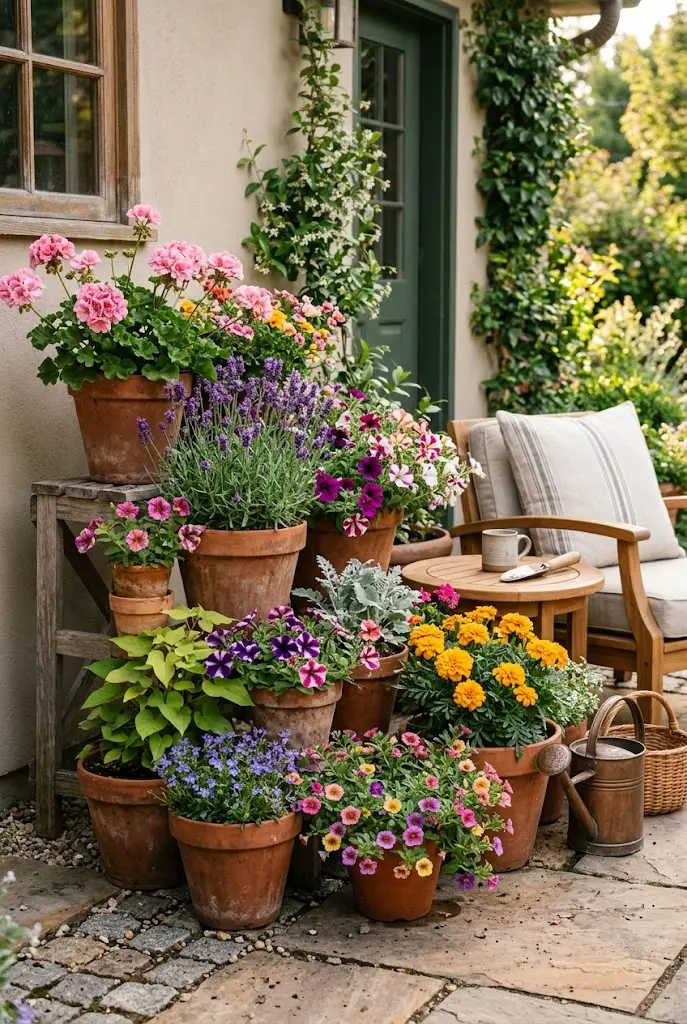
If you want a flexible flower garden that doesn’t require digging up your yard, terracotta pots are a beautiful solution. Their warm earthy color looks naturally attractive alongside colorful flowers, greenery, stone pathways, and wooden outdoor furniture.
One of the best things about container gardening is that you can move your plants around whenever you want to refresh the arrangement. This makes it especially useful for patios, balconies, small backyards, and rental homes.
Try creating a layered display with pots in different sizes. Place larger containers toward the back and smaller ones near the front to create depth.
Beautiful flowers for terracotta containers include:
- Geraniums for bright, long-lasting seasonal color.
- Lavender for fragrance and purple blooms.
- Petunias for overflowing flowers.
- Marigolds for warm yellow and orange shades.
- Calibrachoa for abundant small blooms.
Choose containers with drainage holes and use a quality potting mix rather than ordinary garden soil. Water according to the needs of each plant, since containers can dry out more quickly than flower beds.
Try this: Group three or five terracotta pots together using a mixture of upright, rounded, and trailing flowers for a professionally styled appearance.
Plant a Beautiful Sunflower Garden
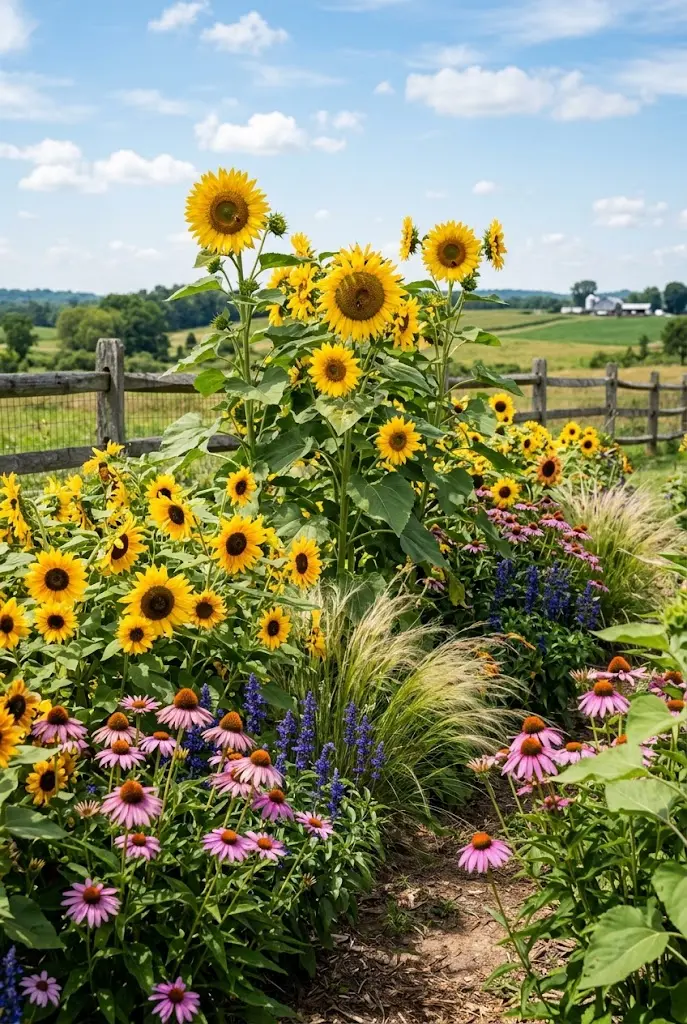
Sunflowers bring instant happiness to an outdoor space. Their bright golden petals, impressive height, and cheerful appearance make them one of the most recognizable flowers for a colorful summer garden.
A dedicated sunflower patch can look particularly beautiful along a backyard fence or at the edge of a vegetable garden. You can grow tall varieties toward the back and shorter branching varieties toward the front for a layered arrangement.
Some ways to style a sunflower garden include:
- Plant tall sunflowers in a natural row along a fence.
- Mix different sunflower heights for visual interest.
- Add purple coneflowers and blue salvia for contrast.
- Use dwarf sunflowers in containers near a patio.
- Combine sunflowers with ornamental grasses for a relaxed meadow look.
Most sunflowers grow best in full sunlight and well-draining soil. Their height can make them vulnerable to strong winds, so choose a sheltered location or support particularly tall varieties when necessary.
Remember that different varieties have different mature heights and growing periods. Read the seed packet before planting to achieve the look you want.
Tip: Plant a few successive batches of suitable varieties to extend your sunflower display through more of the summer.
Create a Peaceful White Flower Garden
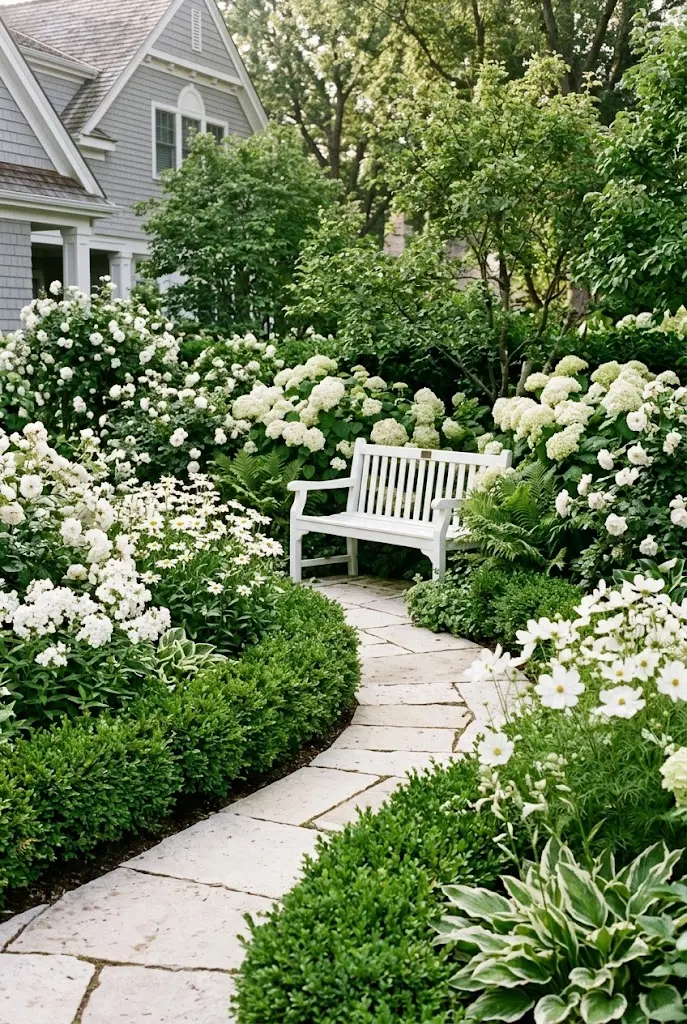
A white flower garden offers a completely different kind of beauty. Instead of relying on bold colors, this design uses different shades of white, cream, and soft green to create a peaceful and elegant outdoor atmosphere.
The secret to making a white garden interesting is to combine flowers with different shapes, heights, and textures. Large hydrangea clusters can provide fullness, while delicate daisies and white roses add a softer appearance.
Some beautiful options include:
- White hydrangeas for large rounded flower clusters.
- White roses for timeless elegance.
- Shasta daisies for cheerful, simple blooms.
- White phlox for soft flowering borders.
- White cosmos for a light, airy appearance.
Add different shades of green through hostas, ferns, boxwood, or ornamental grasses. These plants provide contrast and prevent the garden from looking flat.
A pale stone pathway or white garden bench can complete the look without introducing too many competing colors.
White flowers can also look particularly beautiful in the evening when soft outdoor lighting highlights their petals.
Tip: Mix early-, mid-, and late-season flowering varieties so your white garden remains attractive for a longer period.
Build a Butterfly-Friendly Flower Garden
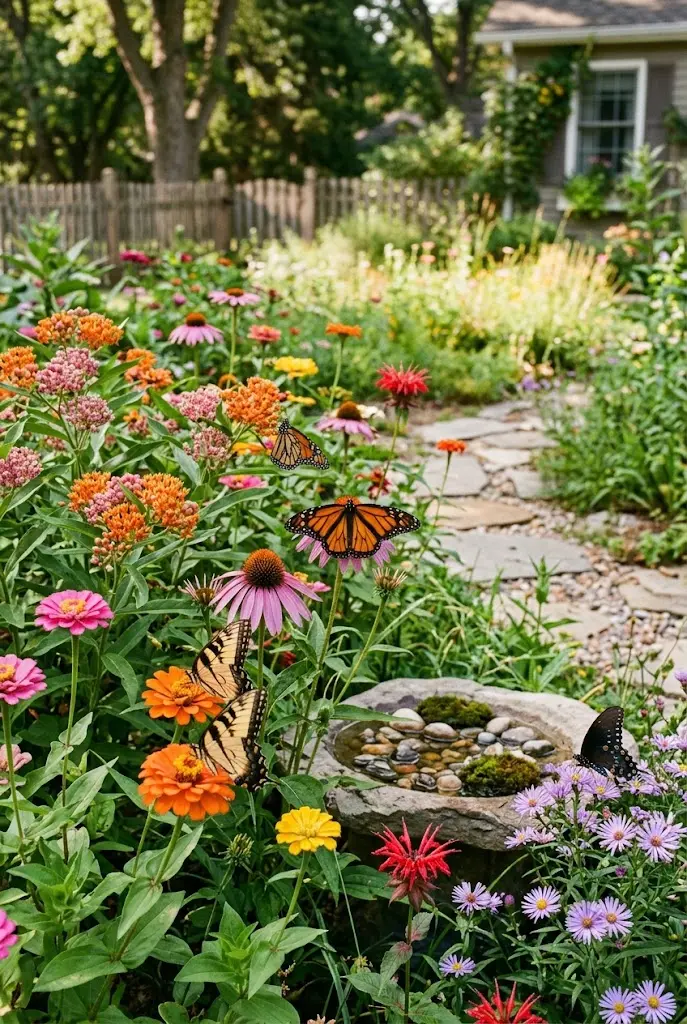
A butterfly-friendly flower garden is a beautiful way to add movement and life to your backyard. When you choose flowers that provide nectar and host plants that support caterpillars, your garden can become an inviting habitat for butterflies throughout the growing season.
Brightly colored flowers are wonderful for creating a visually attractive display, but choosing the right plant species matters just as much as their appearance.
Consider including:
- Milkweed species native to your region for monarch caterpillars.
- Purple coneflowers for nectar.
- Zinnias for colorful, accessible blooms.
- Native asters for late-season flowers.
- Bee balm for attractive tubular blooms.
Try planting flowers in groups rather than scattering individual plants throughout the yard. Larger clusters make it easier for butterflies to find their preferred flowers.
Avoid pesticides that can harm butterflies and other beneficial insects. Include a shallow water source with pebbles so butterflies have a safe place to access moisture.
Try this: Select native flowering plants for your region and aim for blooms from spring through fall rather than relying on one short flowering season.
Design a Colorful Flower Garden With a Small Pond
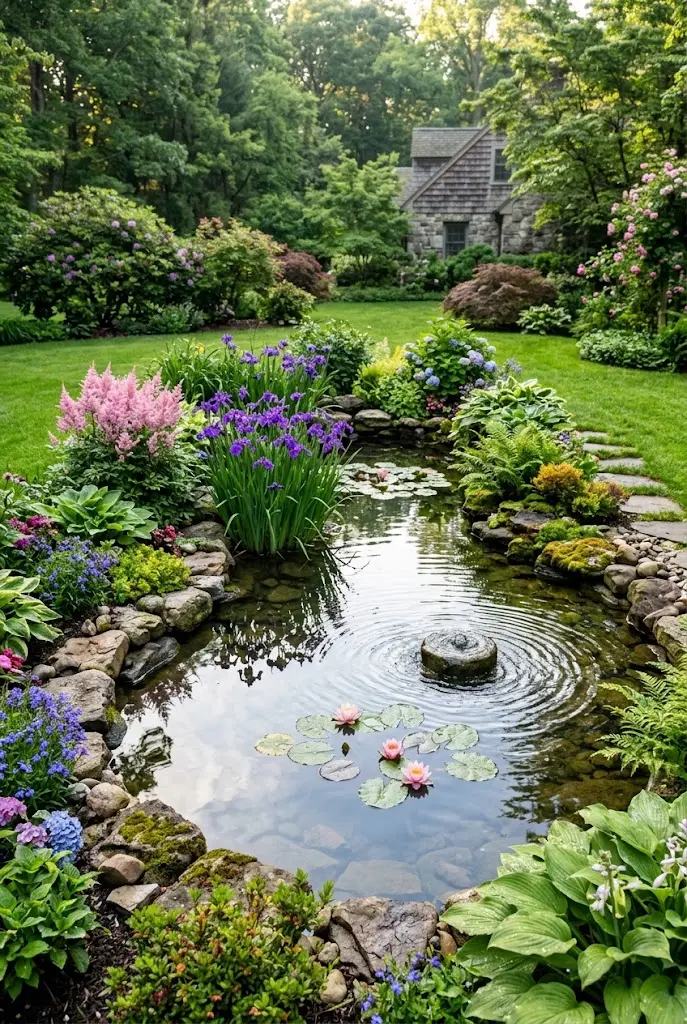
If you want your backyard to feel like a peaceful retreat, consider adding a small garden pond surrounded by beautiful flowers. The combination of water, colorful blooms, and natural stone creates a relaxing atmosphere that feels almost like a private countryside escape.
You don’t need a large water feature to make this design work. A compact preformed pond or a small professionally installed garden water feature can become an attractive focal point.
Surround the water with plants that suit the moisture and sunlight conditions around the pond. Some attractive choices include:
- Irises for elegant upright blooms.
- Astilbe for soft, feathery flowers in suitable moist locations.
- Marsh marigolds for cheerful seasonal color.
- Hostas for lush foliage.
- Carefully selected water lilies for the pond itself.
Leave some open space around the water so the pond remains visible. Natural rocks and gravel can soften the edges and help the feature blend into the landscape.
If you plan to add fish, research pond depth, filtration, water quality, and winter care before introducing them.
Tip: A small solar-powered fountain can add gentle movement and sound, provided it is suitable for your pond setup.
Make a Beautiful Flower Garden With Hanging Baskets
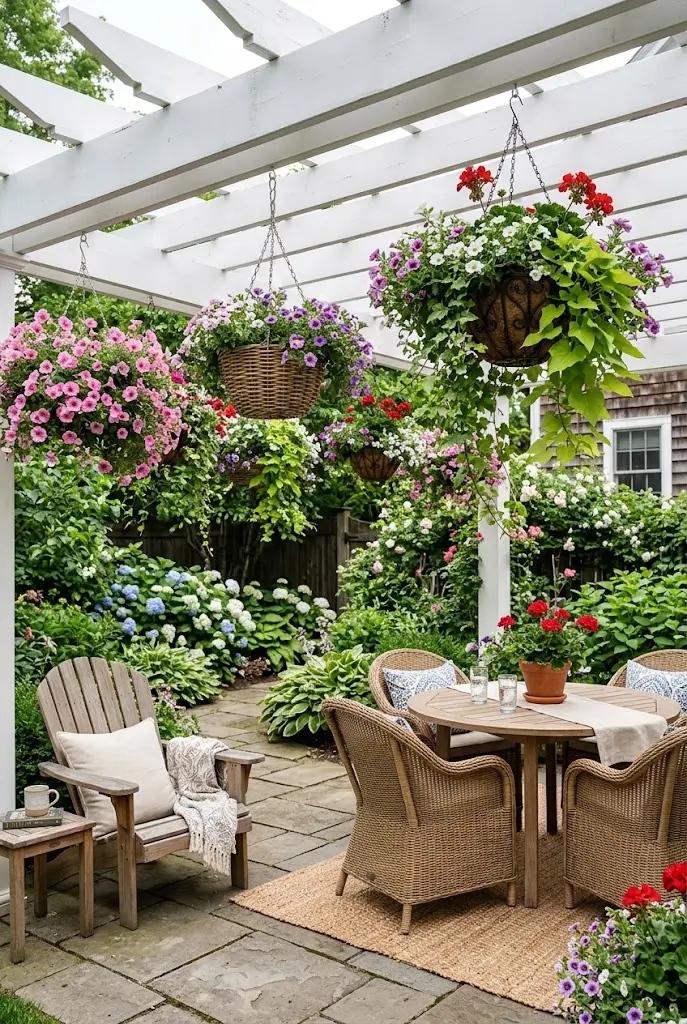
Hanging baskets are a simple way to bring flowers into areas that don’t have much planting space. They look especially attractive around porches, pergolas, patios, and covered outdoor seating areas.
Instead of using just one type of flower, create beautiful combinations with upright, rounded, and trailing plants. This gives each basket a fuller appearance and makes the flowers look like a colorful waterfall.
Some lovely combinations include:
- Pink petunias with white bacopa.
- Purple calibrachoa with trailing green foliage.
- Red geraniums with white trailing flowers.
- Soft pink begonias with green ferns for shaded areas.
Choose baskets with appropriate drainage and use a lightweight, high-quality potting mix. Hanging containers often dry out faster than ground-level flower beds, particularly during hot summer weather.
Make sure your hanging hooks and brackets are strong enough to support the weight of the basket after watering. Position each basket where you can reach it easily for regular care.
Try this: Hang baskets at slightly different heights around a covered patio to create a relaxed, layered flower garden.
Create a Flower Garden With a Cozy Seating Corner
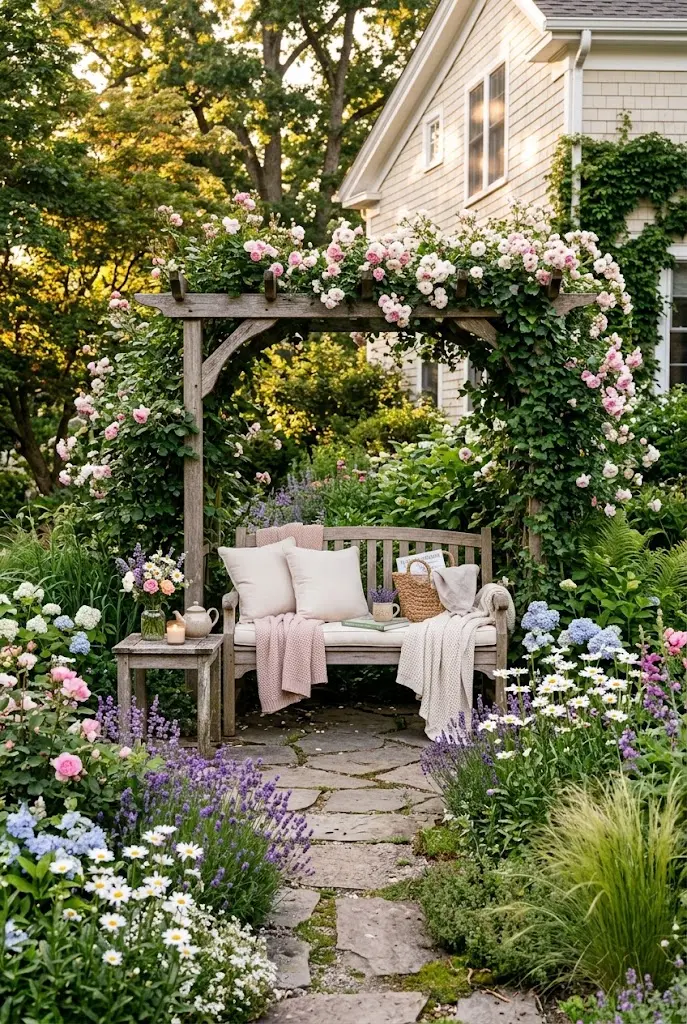
A flower garden becomes even more enjoyable when it includes a comfortable place to sit and appreciate the surroundings. Instead of treating your garden as something to look at from the house, create a small seating corner where you can enjoy your morning coffee, read a book, or relax after a busy day.
A simple wooden bench can be enough to create this feeling. Place it beneath a small pergola, beside a flowering border, or at the end of a winding garden pathway.
Surround the seating area with a thoughtful mix of plants:
- Fragrant lavender near the bench.
- Climbing roses around a pergola.
- White daisies along the pathway.
- Hydrangeas for fuller greenery and flowers.
- Ornamental grasses for movement and texture.
Add a few outdoor cushions in neutral colors, such as beige, cream, or soft sage green. A small side table can provide a convenient place for drinks or books.
Keep enough room around the bench to move comfortably and avoid plants that attract excessive insects directly beside the seating area.
Tip: Position the seating corner where you can enjoy a pleasant view of the main flower beds rather than facing a blank wall or fence.
Plant a Beautiful Flower Garden With Dahlias
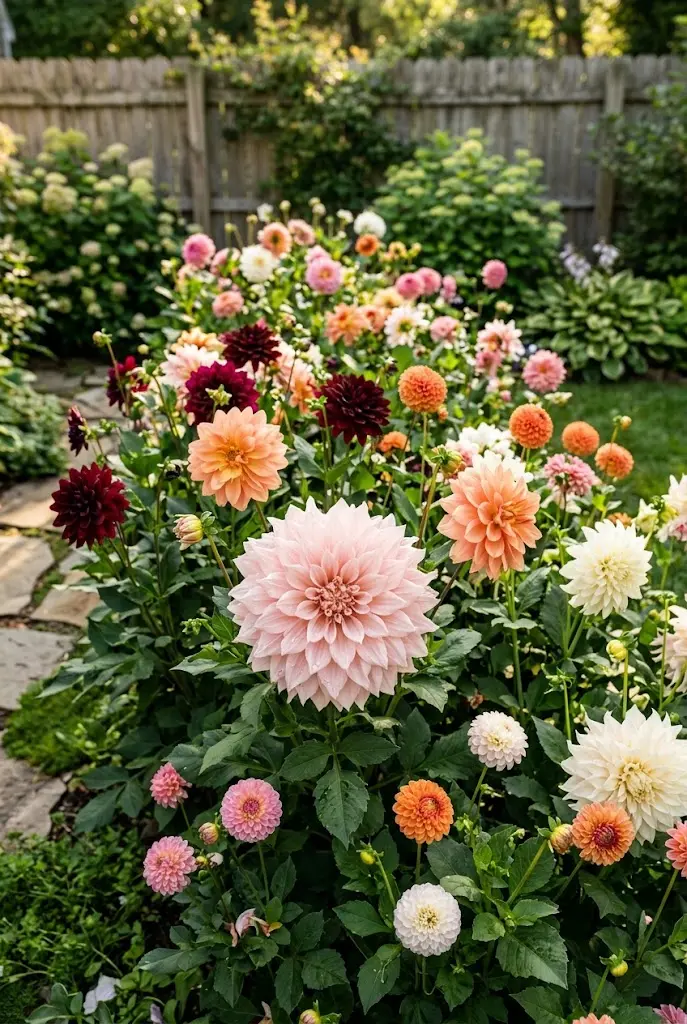
Dahlias are an excellent choice when you want large, eye-catching flowers that instantly make your garden feel more colorful. Their impressive blooms come in a wide range of shapes and shades, from delicate blush pink to dramatic burgundy, orange, and deep red.
A dedicated dahlia bed can create a beautiful seasonal display in a sunny part of your backyard. Plant different varieties together to enjoy a mixture of flower sizes, petal shapes, and colors.
For a balanced arrangement, try combining:
- Dinnerplate dahlias for dramatic oversized blooms.
- Ball dahlias for neat rounded flowers.
- Cactus dahlias for interesting pointed petals.
- Decorative dahlias for full, layered flower heads.
Place taller varieties toward the back of the bed and shorter plants toward the front. Many dahlias benefit from staking, especially when they produce large flowers or grow in windy locations.
They generally prefer sunny conditions, well-draining soil, and regular moisture during active growth. In colder regions, gardeners may need to lift and store tubers after frost, depending on the variety and local conditions.
Try this: Choose three complementary colors, such as blush pink, cream, and burgundy, to create a beautiful coordinated dahlia garden.
Design a Beautiful Flower Garden With a Color Theme
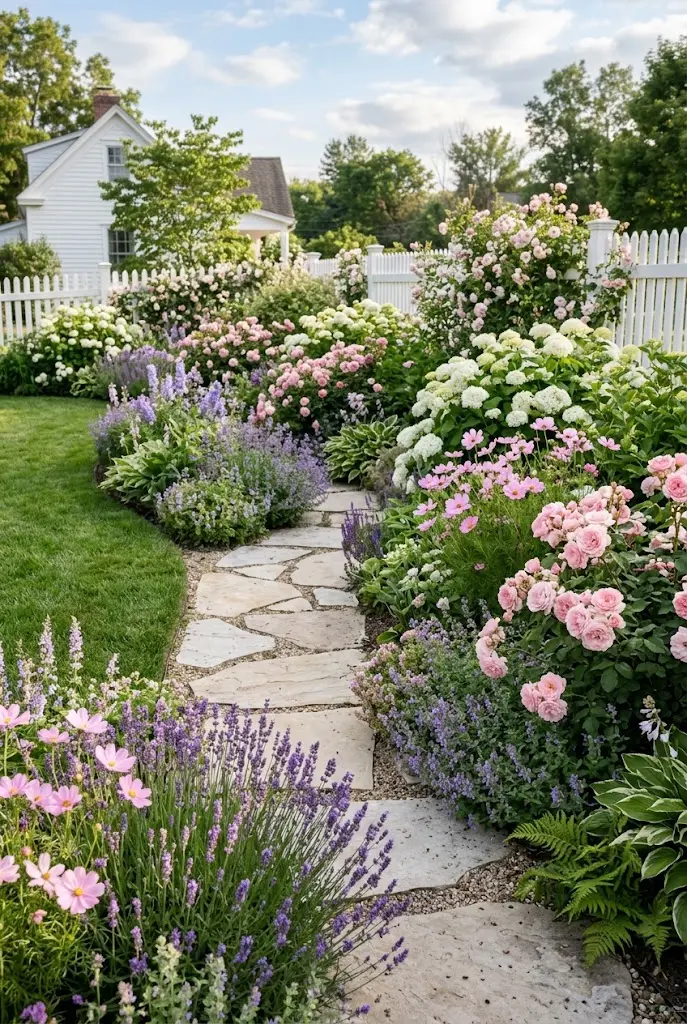
Sometimes the secret to a beautiful garden isn’t adding more flowers. It’s choosing colors that work well together. A coordinated color palette can make even a small flower bed look more polished and professionally designed.
Start by choosing two or three main flower colors, then add greenery to balance the arrangement. Soft pink, white, and lavender create a romantic atmosphere, while yellow, orange, and red give a garden a brighter, more energetic appearance.
Here are a few combinations worth trying:
- Pink, white, and lavender for a dreamy cottage garden.
- Purple, blue, and white for a peaceful outdoor retreat.
- Yellow, orange, and red for a warm summer display.
- Burgundy, blush, and cream for a rich, elegant garden.
Repeat the same colors in different flower varieties rather than using only one type of plant. For example, combine pink roses with pink cosmos and blush petunias to create a layered look.
You can also coordinate planters, garden cushions, and small decorative features with your chosen flower palette.
Tip: Take a photo of your garden from a distance. It will help you see whether the colors look balanced across the entire planting area.
Create a Small Flower Garden for Limited Outdoor Spaces
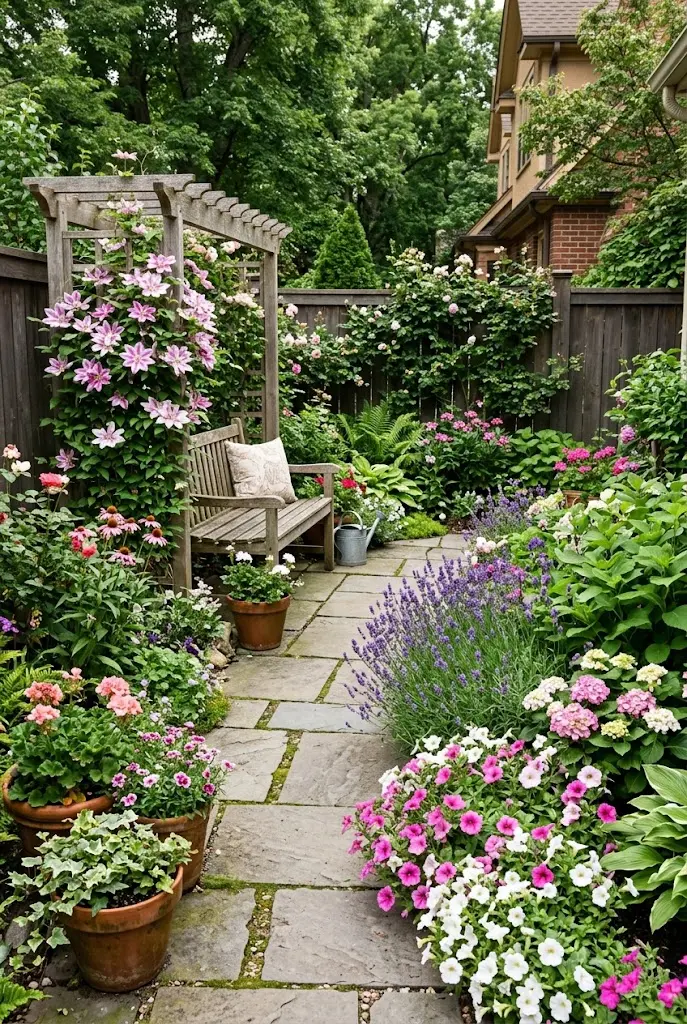
A small backyard doesn’t mean you have to miss out on a beautiful flower garden. With a little planning, even a narrow outdoor space can become a colorful and inviting place to relax.
The trick is to use the available space carefully instead of trying to fit too many plants into one area. Choose flowers that suit the size of your garden and use vertical elements to make the most of the layout.
Some useful ideas include:
- A narrow flower border along one wall.
- Compact flowering shrubs in corners.
- Small raised beds with seasonal blooms.
- Wall-mounted planters for extra planting space.
- A few attractive containers beside a patio.
Choose plants with manageable mature sizes and avoid varieties that spread aggressively in a compact garden. A limited color palette can also make the space feel more open and coordinated.
If your garden has a tiny lawn, keep the center relatively clear and arrange flowers along the edges. This creates a sense of space without sacrificing color.
Try this: Use a small mirror or a light-colored garden wall to make a compact outdoor corner feel brighter and more open.
Add a Flower Garden With Decorative Stone Edging
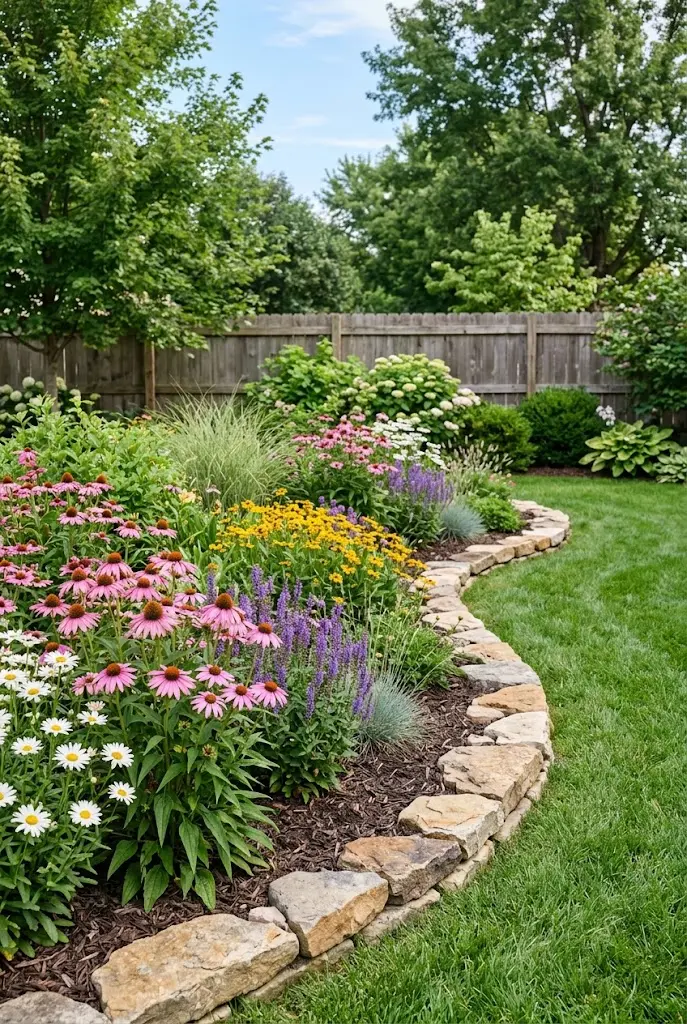
Sometimes a small landscaping detail can completely change the appearance of a flower garden. Decorative stone edging is one of those details. It gives flower beds a defined shape, separates planting areas from the lawn, and makes the entire garden look more organized.
Natural stones work especially well with cottage-style, rustic, and traditional American gardens. You can use rounded river rocks for a relaxed appearance or larger irregular flagstones for a more natural landscape design.
For the flower beds inside the edging, consider a colorful combination of:
- Purple salvia.
- Pink coneflowers.
- White daisies.
- Yellow coreopsis.
- Compact flowering ground covers.
Curved stone borders can soften the appearance of a rectangular backyard and make the garden feel more organic.
Before placing the stones, mark the shape of your flower bed with a garden hose or landscape marking paint. This helps you visualize the design before committing to the layout.
Make sure the edging is stable and doesn’t create a tripping hazard along walking areas.
Tip: Repeat the same type of stone around multiple flower beds to create a consistent landscaping style throughout your yard.
Grow a Seasonal Flower Garden for Year-Round Color
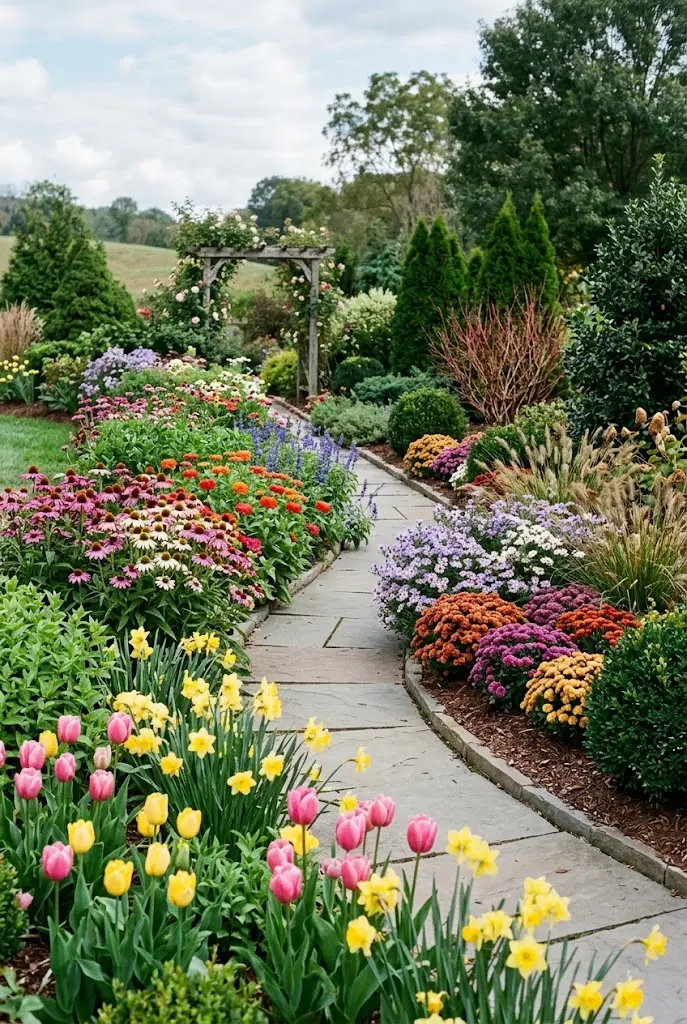
One of the most rewarding flower garden ideas is to plan your planting around the changing seasons. Rather than having everything bloom at the same time, choose flowers that provide color at different points throughout the year.
This approach helps your backyard stay interesting even after one group of flowers has finished blooming.
For inspiration, consider a seasonal planting plan:
Spring: Plant tulips, daffodils, pansies, and early-flowering perennials for fresh seasonal color.
Summer: Add zinnias, coneflowers, petunias, and sunflowers for abundant warm-weather blooms.
Fall: Choose chrysanthemums, asters, and ornamental grasses for rich autumn textures.
Winter: Use evergreen shrubs, winterberry where suitable, and plants with attractive seed heads or interesting structure.
The exact planting calendar depends on your USDA growing zone and local weather. Some plants that thrive in one part of the United States may struggle in another.
Planning ahead also helps you avoid empty spaces in your flower beds when seasonal plants begin to fade.
Tip: Keep a simple garden calendar with planting dates, flowering periods, and maintenance reminders so you can plan each season more easily.
Create a Dreamy Flower Garden With Fairy Lights
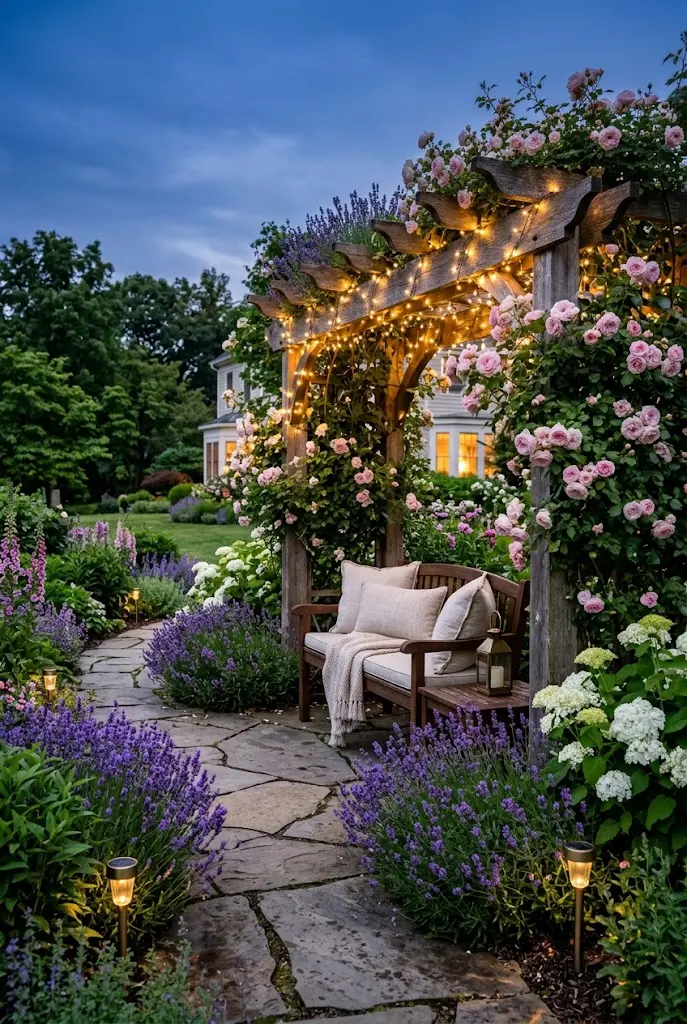
If you love spending time outdoors in the evening, fairy lights can make your flower garden feel even more magical. Their warm glow creates a cozy atmosphere and highlights the beauty of your flowers after the sun goes down.
This idea works especially well around garden seating areas, wooden pergolas, pathways, and decorative arches. You don’t need to cover the entire garden with lights. A few thoughtfully placed strands can create a much more elegant effect.
For a dreamy outdoor setup, combine:
- Warm-white string lights wrapped around a pergola.
- Small solar pathway lights beside flower beds.
- Lanterns placed near a garden bench.
- Climbing roses and flowering vines around wooden structures.
- Soft flowering plants in the surrounding beds.
Choose outdoor-rated lighting designed for the weather conditions in your area. Solar lights are convenient for pathways, while properly rated plug-in string lights can work beautifully around covered seating spaces.
Keep lighting warm and subtle rather than excessively bright. The goal is to create a relaxing atmosphere where flowers, greenery, and gentle illumination work together.
Try this: Hang warm fairy lights above a small garden seating corner and surround it with lavender, roses, and white flowers for a romantic evening retreat.
Simple Tips for Creating a Beautiful Flower Garden
Before choosing your favorite design, keep a few practical things in mind. A beautiful flower garden isn’t only about selecting attractive flowers; it’s also about choosing plants that can thrive in your outdoor conditions.
Understand your sunlight conditions. Spend a day observing how much direct sunlight different areas of your yard receive. Some flowers need full sun, while others prefer partial shade.
Check your USDA growing zone. The United States has different growing conditions, so a flower that thrives in Florida may not survive winter in Minnesota. Check the USDA Plant Hardiness Zone Map and choose plants suitable for your region.
Combine different flowering seasons. Choose early-, mid-, and late-season flowers to enjoy color for longer rather than having everything bloom at once.
Prepare your soil properly. Good soil drainage and appropriate organic matter can make a significant difference in plant health. Consider a soil test before adding fertilizers or amendments.
Leave enough room between plants. Always check the expected mature width and height of flowers before planting. Overcrowded beds can restrict airflow and encourage disease.
Water according to plant needs. Newly planted flowers usually need more attention while establishing roots. Once established, watering requirements vary by species, soil, and climate.
Add finishing touches. Stone pathways, wooden edging, decorative containers, and comfortable seating can make your flower garden feel complete.
Final Thoughts
Creating a beautiful flower garden doesn’t require a huge backyard or an expensive landscaping project. Sometimes, a small collection of colorful flowers, a charming pathway, or a few decorative containers is all it takes to transform an ordinary outdoor space.
From romantic cottage gardens and elegant rose beds to cheerful sunflower patches and cozy evening seating areas, these 25 flower garden ideas offer plenty of inspiration for different homes, styles, and budgets.
Start with one area of your yard, choose flowers that suit your climate, and build your garden gradually. You can experiment with new colors, add seasonal blooms, and introduce decorative features as your space develops.
Most importantly, create a garden that makes you happy every time you step outside. Save your favorite ideas for your next gardening project and enjoy bringing your own colorful outdoor retreat to life.